Author: Lori
-
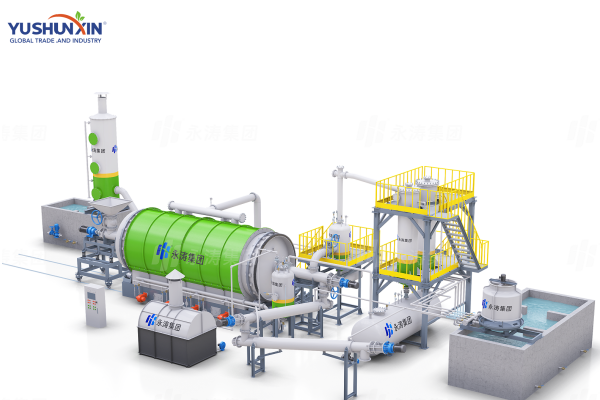
¿Qué inversión se necesita para poner en marcha un proyecto de pirólisis de neumáticos usados?
Los neumáticos fuera de uso ocupan volumen, generan riesgo de incendio y reciben cada vez menos espacio en los rellenos sanitarios, y usted, como empresa recicladora o como inversionista industrial, busca una ruta que convierta ese residuo en productos comerciales. La inversión en planta de pirólisis de neumáticos usados cubre la trituración, la alimentación sellada,…
-
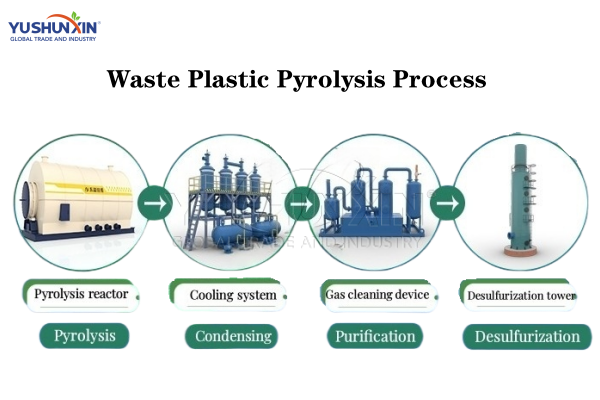
What ROI can project investors expect from a waste plastic pyrolysis plant?
Mixed plastic waste costs money at every step of its journey, because collection, baling and landfill charges accumulate before any material value appears. A waste plastic pyrolysis plant ROI analysis converts those costs into an investment case that shows output volumes, operating expenses and net cash flow for each year. You, as a project investor…
-
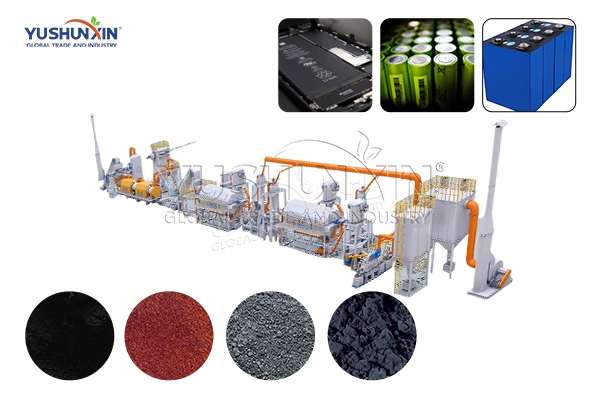
How does a black mass recovery process cut waste disposal costs for industrial companies?
Industrial companies pay twice for end-of-life batteries, first for storage and transport and later for external disposal, and you, as an industrial plant manager or as a recycling company operator, can reduce both charges with an internal recovery step. A complete black mass recovery process converts worn battery packs into copper, aluminium, steel and concentrated…
-
Why Does Module Structure Matter in End-of-Life Solar Panel Recycling?
When planning an end-of-life solar panel recycling project, the first step is not choosing equipment. It is understanding the structure of the incoming photovoltaic modules. Different module designs contain different combinations of glass, aluminum frames, solar cells, encapsulation materials and backsheet layers. These differences directly influence the recycling route, separation efficiency and equipment configuration. Why…
-
Why Are PE, PP and PS Easier to Evaluate for Plastic-to-Oil Projects?
A plastic-to-oil project does not start with the question “How much plastic can be processed?” The first question is usually “What type of plastic is available?” Different polymers behave differently during thermal processing. PE, PP and PS are often evaluated in plastic pyrolysis projects because their compositions are more suitable for producing oil-based products. However,…
-
Batch or Continuous Pyrolysis: Which Route Fits a Stable Tire Supply?
Choosing between batch and continuous pyrolysis is not only a question of plant size. For a tire recycling project, the more useful starting point is how consistently waste tires can be supplied, prepared and moved through the line. If your project receives tires in irregular volumes, changing sizes or mixed conditions, the feeding rhythm may…
-
Which Plastic Waste Streams Are Suitable for Oil Recovery—and Which Should Be Removed First?
A successful plastic to oil project starts with feedstock control. Not every plastic behaves the same during pyrolysis, and mixed waste can significantly change oil yield, wax formation, gas composition, corrosion risk, and residue volume. Before selecting a plastic recycling pyrolysis plant, you need to know which polymers dominate your feedstock, how much moisture and contamination…
-
How to Recover Silver from Waste Solar Panels with a Complete Recycling Line
Waste solar panels contain glass, aluminum frames, silicon cells, copper ribbons, backsheet material, EVA film and a small but valuable amount of silver. For recycling companies, the key is not only to break the panels, but also to build a complete solar panel recycling line that can separate valuable materials step by step and prepare…
-
LFP Battery Recycling Plant Layout: From Battery Discharge to Material Separation
Why Plant Layout Matters In LFP Battery Recycling A well-designed LFP battery recycling plant is not only about buying a crusher or separator. It is about arranging each process section in the right order, so batteries can move safely from discharge to material separation. For project investors, the layout directly affects safety control, labor efficiency,…
-
Cómo elegir una planta de pirólisis de neumáticos para proyectos de reciclaje rentables
Elegir una planta de pirólisis de neumáticos no consiste únicamente en comprar un reactor. Se trata de desarrollar un proyecto de reciclaje capaz de operar de forma estable, controlar los costos y generar ingresos sostenibles a partir de neumáticos fuera de uso. Para inversionistas, empresas recicladoras y contratistas de gestión de residuos, el equipo adecuado…