Mixed plastic waste costs money at every step of its journey, because collection, baling and landfill charges accumulate before any material value appears. A waste plastic pyrolysis plant ROI analysis converts those costs into an investment case that shows output volumes, operating expenses and net cash flow for each year. You, as a project investor or as a recycling company manager, need that analysis before you approach a lender, because the lender evaluates the assumptions rather than the equipment brochure. The waste plastic pyrolysis plant ROI analysis also reveals which feedstock contract protects the plant during the first three years of operation.
Which revenue streams define a waste plastic pyrolysis plant ROI analysis?
Pyrolysis oil provides the largest revenue line for most plants, and industrial boilers and refining partners purchase that oil under specification contracts. Recovered carbon black serves rubber, pigment and fuel applications, and the purity of that fraction decides the selling price. Steel wire, syngas and the gate fee that waste generators pay complete the revenue picture. Your analyst models each stream with a conservative, a base and an optimistic price, and that three-case approach shows the range of outcomes that the investment committee reviews.
Which processing equipment drives the operating cost of a plastic to oil project?
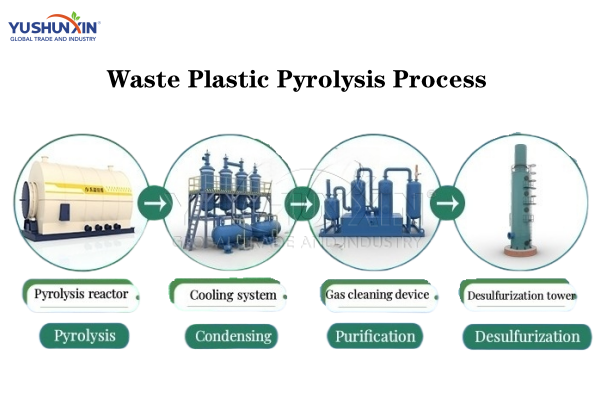
The reactor, the condensation train, the gas burner and the discharge system define both the capital cost and the maintenance schedule of the plant. Processing equipment with indirect heating reduces coke formation, and that reduction lowers the cleaning frequency that your maintenance team faces. A sealed feeding system prevents air ingress, and air ingress would otherwise reduce oil yield and increase gas losses. A plastic pyrolysis reactor design with removable internals shortens the shutdown period that your operators spend on inspection every month.
How does feedstock quality change the return on investment model?
Feedstock composition decides the oil yield, and agricultural film, rigid containers and mixed municipal plastic behave differently inside the same reactor. Moisture and inert material consume energy without producing saleable output, so your procurement team screens incoming loads before they enter the yard. PVC content raises the hydrogen chloride load, and that load accelerates corrosion in the condensation section. Your operating plan therefore includes a laboratory test for every major supplier, and that test protects both the equipment and the financial model that supports the project.
How do you structure the investment for a plastic waste pyrolysis project?
The investment structure separates equity, senior debt and working capital, and that separation defines the return that each participant receives. A plastic to oil pyrolysis project investment with a modular first phase limits the initial exposure and allows a second phase after the plant reaches stable output. A waste pyrolysis plant return on investment model includes a sensitivity table for oil price, feedstock cost and utilization rate, and that table answers the questions that lenders ask most often. Your finance team then aligns the debt tenor with the equipment life, and the repayment schedule matches the cash flow of the plant.
Conclusion for project investors and recycling companies
A defensible return figure rests on verified yield data, secured feedstock and a maintenance plan that the operating team can execute. A recycling project engineering partner that supplies mass balance records and commissioning support strengthens the technical annex of your investment memorandum. The plastic recycling industry keeps expanding, and that expansion maintains demand for both recovered oil and carbon black. If your investment team needs a reference model for capacity and cash flow, you can learn more about https://solutionsforewaste.com/pyrolysis-investment/ before the next committee session.