Utilities, municipalities and public research campuses hold growing volumes of decommissioned modules, and those organisations need a recovery route that returns value to the public balance sheet. A public solar silver recovery project recovers silver, copper, aluminium and glass from end-of-life panels, and that recovery reduces the net cost of the disposal programme. You, as a public asset manager or as a project finance officer, compare financing structures before the tender, because the structure determines the cost of capital. The public solar silver recovery project also delivers transparent environmental reporting, and that reporting supports future budget requests.
Which funding options fit a public solar silver recovery project?
A municipal capital budget covers small capacity plants where the authority already owns the land and the building. A green bond or a climate fund facility suits larger facilities, because those instruments accept longer repayment periods. A public private partnership transfers operating risk to a private partner while the public body keeps asset ownership. An equipment lease reduces the initial cash requirement, and that reduction helps authorities that operate under annual budget limits.
Which equipment scope defines the capital requirement?
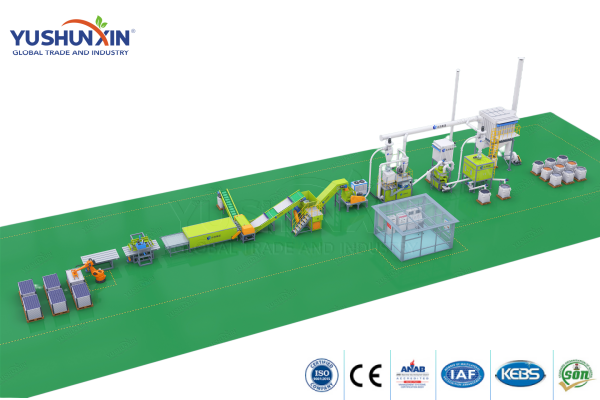
The scope includes a dismantling station, a frame removal press, a crushing section, a screening unit, an electrostatic separator, a dust collection system and the laboratory instruments that verify silver concentration. A solar panel recycling production line with a documented capacity chain gives the financing officer a defensible capital figure. Each item of processing equipment carries a delivery schedule, and that schedule defines the drawdown sequence of the loan. The solar silver recovery funding options that the authority evaluates must therefore match the same equipment list.
How does silver recovery revenue interact with the funding structure?
Silver, copper and aluminium sales generate a recurring revenue stream, and that stream covers part of the operating cost of the plant. Lenders accept that revenue as a partial debt service source when the authority provides verified assay data. Your finance team separates the metal revenue from the gate fee revenue, because the two streams carry different price risks. A PV recycling project financing structure that assigns the metal revenue to the operating account keeps the repayment schedule stable.
How do you prepare a public project for grant and loan financing?
The application file includes the module intake forecast, the environmental permit, the equipment specification and the operating plan. Your team documents the landfill diversion volume, because grant programmes evaluate environmental outcomes. The file also includes a sensitivity analysis for metal prices and for module supply, and that analysis answers the questions that credit officers raise. A complete file shortens the approval period, and a short approval period protects the project schedule against equipment price changes.
Conclusion for public asset managers and project finance officers
Public projects reach financial close when the equipment scope, the revenue forecast and the financing structure remain consistent. A solar module recycling plant builder that provides capacity guarantees, layout drawings and commissioning support strengthens the technical annex of the funding file. The solar panel contains recoverable metals and glass, and that material value supports the economic case of the facility. If your office needs a reference for scope and investment level, you can learn more about https://www.spdsx.com/product/solar-panel-recycling-equipment-cost/ before the next committee meeting.