A pv recycling solution capacity decides how many end-of-life modules the region can process each year, and that figure anchors the collection network, the storage sites and the transport routes of the local system. You, as a municipal planner or as a project developer, examine the pv recycling solution capacity together with the installed base of modules before the land is allocated. The plant then becomes the fixed point around which the municipal solid waste programme organises the photovoltaic stream.
Which local infrastructure does a pv recycling plant require?
The access road, the weighbridge, the covered storage and the grid connection form the physical infrastructure that the plant needs. A local recycling infrastructure with a pv recycling solution also defines the collection points, because a module that travels too far loses its value in transport. You map the existing transfer stations and reuse them, and that reuse reduces the public investment. The plant then connects to a network that already exists.
How does the capacity choice match the regional volume?
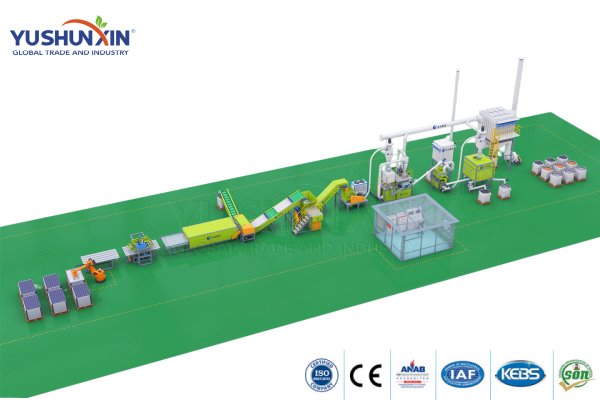
A region with a large installed base of photovoltaic plants generates a steady flow of damaged modules, and that flow supports a larger line. An equipment package for regional pv recycling review compares the capacity of the line with the tonnage that the region can deliver each year, because an oversized plant runs below its design rate. You also reserve capacity for the modules that a future repowering programme will release, since that volume arrives in a short period. The layout then allows an expansion without a new site.
How does the plant support the wider recycling programme?
The glass, the aluminium and the copper that the plant recovers enter the same industrial chain that processes other recyclables, and that integration strengthens the local market. An infrastructure planning for pv recycling capacity study also examines the residue that still needs disposal, because the region must plan a destination for that fraction. You report the diversion rate to the municipality, and that figure supports the next phase of the programme. The plant then serves the public target with measured data.
How does the region plan the phasing of the investment?
A first line with a moderate capacity reduces the initial capital and proves the collection model, and a second line follows when the volume grows. You phase the civil works so that the building and the utility connection serve both stages. The public budget then spreads the cost over two fiscal years. The plan also reserves the land for the second line from the first day.
Conclusion for municipal planners and project developers
A pv recycling plant supports the local infrastructure when its capacity matches the regional volume and when the collection network feeds it with a steady flow. A pv recycling infrastructure advisors team that supplies the volume survey, the capacity study and the phasing plan helps the region build a system that lasts. The number of end-of-life modules keeps rising, and the region that plans early avoids an emergency disposal cost. If your team needs a reference for the line configuration and the infrastructure scope, you can learn more about https://www.spdsx.com/product/solar-panel-recycling-line/ before the next planning review.