As the renewable energy sector expands, the volume of end-of-life solar panels is rising at a rapid pace, and strict landfill bans on PV waste have made dedicated recycling lines a non-negotiable for businesses in the waste and solar industries. A solar panel recycling line is an integrated, modular system designed to efficiently break down photovoltaic panels and extract high-value materials—turning what was once industrial waste into sellable commodities like aluminum, glass, copper and silver. Beyond environmental compliance, these lines create a reliable revenue stream, leveraging the growing PV waste stream to build a scalable business that aligns with the global shift to sustainable energy. Whether for established waste firms or new entrepreneurs, a well-designed recycling line is the foundation of a successful solar panel recycling operation.
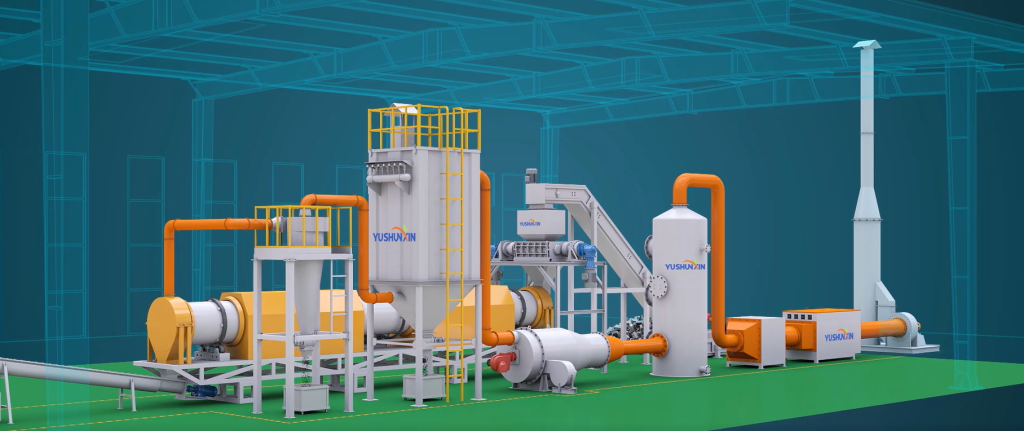
Key Components of a Standard Solar Panel Recycling Line
Every functional solar panel recycling line is built with core components that work in sequence to maximize material recovery and minimize contamination, with flexibility to handle the most common crystalline silicon panels and optional upgrades for thin-film processing. The line starts with mechanical disassembly: a frame-removal station detaches aluminum frames—one of the most valuable and easily recoverable materials—while junction box removal eliminates plastic and copper contamination, a critical step to boost the purity of downstream materials. This low-cost pre-processing stage delivers immediate value, as clean aluminum frames can be sold directly to scrap dealers and smelters with no further treatment.
The primary shredder/crusher is the heart of the recycling line, breaking the remaining panel laminate (glass, EVA encapsulant, silicon cells) into small, uniform pieces for efficient separation. Following shredding, a suite of separation equipment takes over: magnetic separators remove ferrous metal impurities, eddy current separators extract non-ferrous metals such as copper, and screens and air classification systems sort glass cullet from plastic and EVA fractions. For businesses aiming for higher-value recovery—like clean glass cullet for solar manufacturers or silicon-rich materials—delamination or thermal treatment systems can be added to break down EVA encapsulant, though these upgrades increase upfront costs and permitting requirements. All components are modular, meaning they can be added or adjusted as business needs grow.
Critical Considerations for Choosing a Recycling Line
Selecting the right solar panel recycling line goes beyond picking machinery—it requires aligning the system with your business goals, local regulations and market demand. First and foremost, safety and compliance must be integrated into the line’s design: industrial-grade dust extraction and filtration systems are mandatory to handle fine glass and polymer particles, while noise control and fire prevention measures protect workers and meet regional environmental standards. Permits for waste handling, air emissions and storage are required in most areas, with additional controls needed for thin-film panel processing due to hazardous constituents.
Reliability and scalability are also key: prioritize equipment with easy access to spare parts and adjustable settings to handle different panel constructions. Most new businesses start with a basic line (disassembly, shredding, basic separation) to minimize upfront investment, then upgrade to advanced treatment systems once supply contracts and sales channels are stable. Finally, align the line with market needs: calibrate separation equipment to produce the material grades local buyers require, as clean, specification-compliant materials command premium prices and ensure consistent offtake.
With the right recycling line—one that balances efficiency, compliance and scalability—solar panel recycling becomes a predictable, profitable business that grows hand-in-hand with the global renewable energy industry.
Leave a Reply