Yes, pyrolysis can play an important role in silver recovery from waste solar panels, but it is not the final silver refining step by itself. In a complete recycling process, pyrolysis is mainly used to break down EVA encapsulant and separate the bonded panel structure. After that, the silver-containing material can enter further screening, chemical extraction, replacement, electrolysis, and refining processes. As a manufacturer of solar panel recycling equipment, YUSHUNXIN provides integrated solutions to help customers recover glass, silicon, copper, and silver-bearing materials from end-of-life photovoltaic panels.
Why Is Silver Difficult to Recover from Solar Panels?
Solar panels contain silver mainly in the conductive paste on solar cells. However, this silver is not easy to remove directly because the solar cells are tightly bonded with glass, EVA film, backsheet, copper ribbons, and other layers. If the panel is crushed without proper pre-treatment, valuable materials may become mixed together, making downstream separation more difficult.
This is why process design matters. A reliable silver recovery project should first separate the panel structure, then concentrate silver-containing fractions, and finally use a suitable refining process to obtain higher-purity silver. For a complete understanding of the extraction workflow, a comprehensive guide to PV silver recovery covers everything from cell liberation to final refining steps.
How Does Pyrolysis Help the Separation Process?
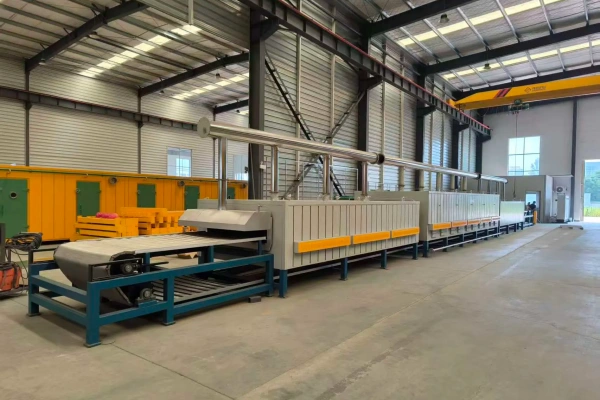
In YUSHUNXIN’s solar panel pyrolysis solution, the aluminum frame is removed first. Then the frameless panel enters the pyrolysis reactor. Under controlled heating conditions, EVA glue and organic materials are decomposed. This weakens the bonding between glass, silicon cells, copper, and silver-bearing materials. A thermal decomposition system for end-of-life PV modules provides the reactor design and gas treatment needed for stable operation.
After pyrolysis, the solid output can include glass scraps, silicon, copper, silver-containing fractions, and other materials. These solids can then move into a screening and separation system for further classification. In other words, pyrolysis prepares the material for better silver recovery by making the panel easier to separate.
What Happens After Pyrolysis?
After the pyrolysis and screening stage, silver-bearing material can be sent to a silver extraction line. A typical process may include acid leaching, solid-liquid separation, silver precipitation or replacement, crude silver collection, electrolysis, drying, and smelting.
This means customers should understand one key point: pyrolysis does not directly produce silver ingots. It helps separate and concentrate the material that contains silver. The final silver product requires chemical extraction and refining equipment. Understanding key cost factors for solar recycling equipment helps investors plan the full process line from pyrolysis to silver refining.
Why Choose YUSHUNXIN?
YUSHUNXIN designs solar panel recycling equipment according to panel type, processing capacity, recovery target, site layout, and environmental requirements. For customers who want to recover silver from waste PV panels, we can provide a more complete process route, including pre-treatment, pyrolysis separation, screening, material collection, and optional silver extraction support.
For investors, silver recovery can improve the value of a solar panel recycling project, but only when the whole process is properly designed. With the right equipment configuration, waste solar panels can become a source of reusable glass, silicon, copper, aluminum, and precious metal materials.
Leave a Reply