A complete lithium battery recycling machine solution is not a single piece of equipment, but a full process line designed to safely dismantle, separate, and refine valuable materials from spent lithium-ion batteries. The total price depends on battery types handled (LFP, NMC, NCA, mixed packs), the level of automation, and the required end products—such as aluminum and copper fractions, steel, plastics, and “black mass” (a fine powder rich in lithium, nickel, cobalt, manganese, and graphite). Because batteries can still hold charge and may contain flammable electrolytes, a complete line also includes safety and environmental control systems that strongly influence cost.
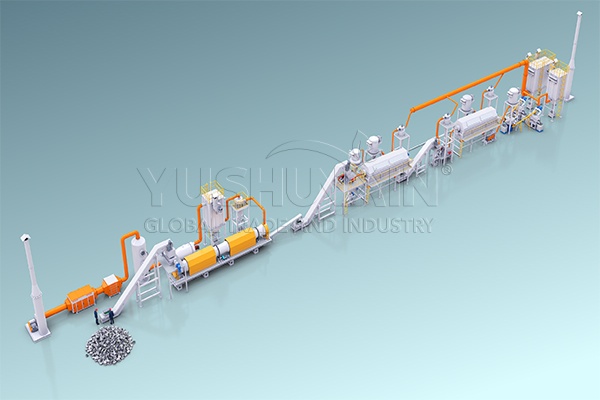
Typical Process Flow (From Battery to Black Mass)
Most complete solutions begin with collection, sorting, and safe discharging. Batteries may then be dismantled (manual or automated) to remove casings and modules, followed by crushing or shredding under inert gas or controlled conditions to reduce fire risk. Next comes physical separation: magnetic separation removes steel, screening classifies particles by size, and air separation helps split light plastics from heavier metal-rich material. Eddy current separation is commonly used for aluminum and copper recovery. The remaining fine fraction is processed into black mass with controlled drying and dust collection to maintain product quality and protect workers. Depending on goals, the line may stop at black mass production or continue into hydrometallurgical refining to produce battery-grade salts—an additional investment and permitting step.
Price Factors That Change the Quotation Most
Capacity is the biggest driver: a small pilot line for R&D or limited throughput costs far less than a continuous industrial system. Automation level also matters—manual dismantling lowers equipment cost but increases labor and safety management needs. Another major factor is the atmosphere and fire suppression approach (nitrogen inerting, explosion venting, gas monitoring), plus wastewater and off-gas treatment if electrolyte removal and chemical refining are included. Finally, quality targets matter: producing consistent, low-impurity black mass requires better sorting, more precise separation stages, and higher-grade dust filtration.
Common Price Ranges (Indicative, Project-Dependent)
A compact, entry-level physical recycling line aimed at producing black mass can range from the tens of thousands to the low hundreds of thousands of USD, depending on capacity and safety configuration. Mid-scale commercial lines often fall into the mid six-figure range, especially when inerting, robust shredding, and multiple separation steps are included. Large industrial plants—particularly those integrating hydrometallurgy to produce refined lithium and nickel/cobalt salts—can reach multi-million USD project levels once utilities, buildings, and environmental systems are counted.
What to Ask Suppliers for a Realistic “Complete Solution”
To receive an accurate price and process plan, specify battery chemistry mix, feed form (cells, modules, packs), daily throughput, desired end products, and local environmental compliance requirements. Request a flowchart, energy and nitrogen consumption estimates, consumables list (blades, filters), and guarantees for black mass grade and metal recovery rates. A complete solution should include commissioning, training, and safety documentation—not just a machine list. Visiting: https://www.solutionsforewaste.com/product/lithium-battery-recycling-machine-price/
Leave a Reply