Step 1: Study the Market and Choose Your Main Products
Profitability begins with knowing what you will sell and to whom. A tire recycling plant can produce crumb rubber (various mesh sizes), rubber powder, tire-derived fuel (TDF), reclaimed steel, and textile fluff. Each product has different buyers and price volatility, so visit local rubber product manufacturers, asphalt contractors (rubberized asphalt), sports surface installers, and fuel users before you buy equipment. Confirm the specifications they require—particle size, moisture, fiber content, and packaging. Also evaluate feedstock security: how many scrap tires are available within a practical hauling radius, what tipping fees you can charge (or must pay), and seasonal supply changes. A reliable inflow of tires plus stable offtake contracts is often the difference between a “busy” plant and a profitable one.
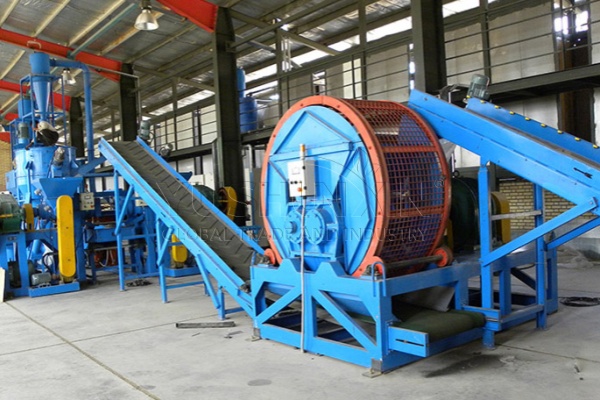
Step 2: Secure Permits, Site, and a Safe Plant Layout
Tire recycling is regulated due to fire risk, noise, dust, and stormwater concerns. Select a site with truck access, adequate utilities, and enough yard space for controlled tire storage. Design the layout to separate receiving and storage from processing and finished goods, with wide lanes for loaders and fire lanes for emergency access. Include fire suppression options (hydrants, water tanks, extinguishers), temperature monitoring in storage piles, and clear housekeeping routines to limit dust accumulation. Good drainage and covered storage for crumb rubber help maintain product quality and reduce contamination.
Step 3: Choose the Right Process Line (Shredding vs. Granulation)
A common step-by-step process is: tire debeader (optional) → primary shredder → secondary shredder → magnetic separation → granulator → fiber separation → screening and bagging. If your target is TDF, you may stop at chips (typically 25–100 mm). If you want higher-margin crumb rubber, you will need granulation, multiple screens, strong magnets, and efficient fiber removal. Choose equipment based on throughput (tons/hour), tire types (passenger, truck, OTR), blade wear costs, power consumption, and how easily you can change screen sizes to serve different customers.
Step 4: Plan Operating Costs and Maintenance to Protect Margins
Blade and screen wear are predictable expenses, so build them into your pricing model. Install upstream inspection and a tire washing or pre-sorting step if contamination is common. Track kWh per ton, labor per shift, and downtime causes from day one. Preventive maintenance—knife rotation schedules, bearing checks, belt alignment, and magnet cleaning—keeps output consistent and reduces unplanned stoppages that quickly erode profit.
Step 5: Build Sales Channels and Quality Control from the Start
Set quality standards for each product: steel purity, crumb size distribution, allowable fiber content, and packaging weight accuracy. Maintain sample retention and simple batch records to resolve disputes quickly. Finally, diversify buyers so you are not dependent on one contract. With dependable tire supply, a well-matched processing line, disciplined maintenance, and strong offtake agreements, a tire recycling plant can scale steadily while maintaining healthy margins. Visiting: https://www.solutionsforewaste.com/product/waste-tyre-recycling-plant-costs/
Leave a Reply