What a Copper Cable Recycling Machine Does
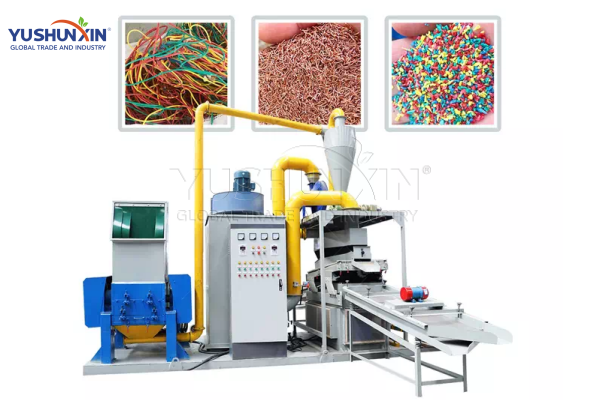
A copper cable recycling machine (often called a wire granulator or cable separator) is designed to turn mixed electrical wires and cables into clean copper granules and separated plastic insulation. For factories, scrap yards, and recycling plants, the goal is simple: maximize copper recovery and purity while keeping labor, dust, and downtime low. A complete buying decision usually comes down to three practical questions—what capacity you truly need, what the total price is beyond the sticker tag, and what output quality you can consistently achieve across different cable types.
Capacity: How to Choose the Right Throughput
Capacity is typically listed as kilograms per hour, but real throughput depends heavily on the material mix. Thin household wires, automotive harnesses, and telecom cables process differently than thick single-core power cables. If your incoming scrap contains many small-gauge wires, a machine with a stable feeding system and a finer granulation stage will maintain recovery without clogging screens. For larger-diameter cables, you may need a pre-stripper, cable cutter, or a primary shredder upstream to prevent overloading the granulator. When comparing models, ask for tested capacity ranges by wire type, not just a single headline number.
Price: Beyond the Machine Tag
The “price” of a copper cable recycling line includes more than the core granulator. Dust collection (bag filter or cyclone plus negative-pressure ducting), spare blades, screen sets, conveyors, and an electrostatic separator for difficult mixed materials can significantly affect total cost. Power consumption and blade wear are major operating expenses, especially if you run abrasive or dirty scrap. It’s also important to consider installation, commissioning, operator training, and availability of local service. A cheaper unit can become expensive if it requires frequent blade changes or produces copper with too much plastic contamination.
Output: Copper Purity, Recovery Rate, and Plastic Separation
Output quality is measured by copper purity (how clean the metal is), recovery rate (how much copper you capture), and how well the plastic is separated for resale or disposal. High-performing systems combine granulation with air separation and vibration screening to split light insulation from heavy copper. For ultra-fine wires, adding electrostatic separation can raise purity and reduce copper loss in the plastic fraction. Ask suppliers for sample test results on your actual feedstock and request photographs or lab data showing copper granule cleanliness.
Practical Buying Checklist for Recycling Operations
Before purchasing, define your daily tonnage, cable mix, and target purity. Confirm noise and dust control, safety interlocks, blade material and hardness, and the availability of consumables. Finally, require a clear acceptance test: a measurable throughput range, copper purity target, and a maximum allowable copper loss in tailings. With these points locked in, you can choose a copper cable recycling machine that delivers predictable capacity, transparent cost, and reliable output. Visiting: https://www.solutionsforewaste.com/product/copper-wire-granulator-cable-recycling-machine/
Leave a Reply