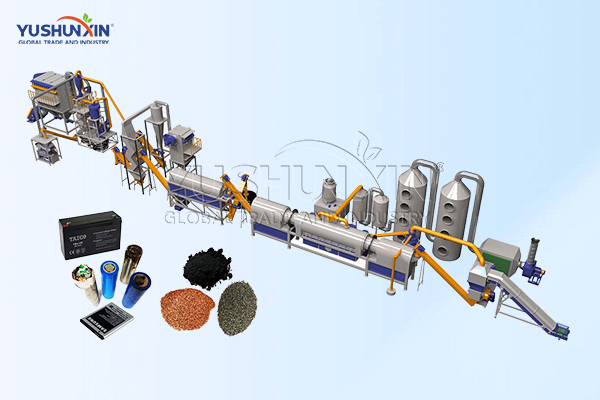
Lithium batteries are essential to powering a wide array of modern devices, from smartphones to electric vehicles. As the demand for these batteries increases, so does the volume of spent batteries requiring disposal. Recycling lithium batteries is crucial for recovering valuable materials, minimizing environmental impact, and reducing reliance on new raw materials. This guide delves into the comprehensive process involved in recycling lithium batteries, highlighting key stages and the technologies used.
Importance of Lithium Battery Recycling
Environmental and Economic Benefits
Recycling lithium batteries offers substantial environmental and economic advantages. It reduces the environmental footprint associated with mining and processing raw materials, like lithium, cobalt, and nickel. Additionally, recycling helps in reducing hazardous waste in landfills and conserves finite natural resources, supporting a more sustainable economy.
Regulatory and Industry Drivers
Governments worldwide are implementing stricter regulations concerning battery disposal and recycling. These regulations encourage the development of efficient recycling methods and infrastructure. Moreover, industries are investing in recycling technologies to secure material supply chains and reduce production costs.
The Recycling Process
Collection and Transportation
The recycling process begins with the collection and transportation of spent batteries to recycling facilities. Proper handling is vital to prevent leaks or fires, given the reactive nature of lithium batteries. Regulations often mandate specific packaging and transportation measures to ensure safety.
Initial Sorting and Discharging
Once the batteries arrive at the recycling facility, they are sorted by type and chemistry. This step is crucial because different battery chemistries require different recycling processes. Before disassembly, batteries are safely discharged to prevent energy release during processing.
Mechanical Processing and Separation
Crushing and Shredding
The discharged batteries undergo mechanical processing, where they are crushed and shredded into smaller pieces. This step prepares the batteries for material separation and helps in liberating the component materials.
Separation Technologies
After shredding, advanced separation technologies are employed to segregate materials.
- Magnetic Separation: This method removes ferrous metals from the mix, using magnets to extract components like steel casings.
- Hydrometallurgical Processes: Involves using aqueous chemistry to recover metals, such as lithium and cobalt, from the shredded material. This process typically uses acids and other chemicals to dissolve and separate valuable metals.
- Pyrometallurgical Processes: Involves heating the battery materials to high temperatures to facilitate metal recovery. This method is often used to extract cobalt and nickel efficiently.
Material Recovery and Refining
Electrolyte Recovery
During recycling, the electrolyte solution, often containing hazardous substances, is carefully extracted and treated for safe disposal or potential reuse.
Refining Recovered Materials
Once separated, the recovered materials undergo refining to produce high-purity metals ready for reuse in manufacturing new batteries or other products. Refining processes vary depending on the material but generally involve purification and conversion into usable forms.
Challenges and Innovations
Addressing Recycling Challenges
The recycling of lithium batteries presents several challenges, including safety concerns, economic viability, and the complexity of material separation. Innovations are continually being developed to address these issues, such as safer disassembly methods, more efficient separation technologies, and improved regulatory frameworks.
Advancements in Recycling Technologies
Recent advancements include the development of automated sorting systems, improved hydrometallurgical techniques, and closed-loop recycling systems. These innovations enhance recovery rates, reduce environmental impact, and increase the efficiency of the recycling process.
Conclusion
Recycling lithium batteries is a complex but essential process that supports environmental sustainability and economic growth. By efficiently recovering valuable materials, the recycling process reduces reliance on new raw materials and minimizes waste. As technology and regulatory frameworks continue to evolve, the recycling industry is poised to play a critical role in creating a sustainable, circular economy for the future. Visiting: https://www.sxlbp.com/products/lithium-battery-recycling-machine/
Leave a Reply