A solar panel thermal recycling project delivery moves from the permit to the first processed module through design, procurement, construction and commissioning, and the EPC contractor owns that sequence. You, as an EPC contractor or as a project investor, examine the solar panel thermal recycling project delivery schedule before the contract is signed. The plan then gives each package one owner and one date.
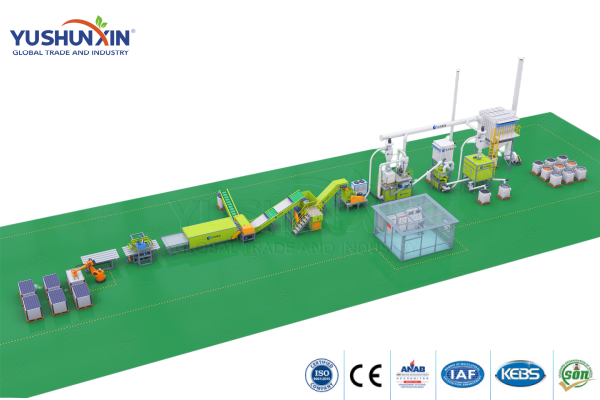
Which stages define the schedule?
The permit, the basic engineering, the equipment fabrication and the civil works follow different lead times, and the permit usually sets the longest waiting period. An EPC schedule for a thermal recycling project therefore places the permit on the critical path instead of treating it as a detail. You freeze the process flow before the application, because a later change restarts the review. The fabrication then runs in parallel with the civil package.
How does the equipment package affect the date?
A complete package that includes the ducting, the control cabinet and the commissioning support arrives as one unit, and that completeness shortens the erection period. An equipment delivery for a thermal recycling project review lists what the supplier delivers and what the site provides, and that list prevents a missing item on the installation day. You verify the cable schedule with both parties before the shipment. The contractor then avoids a stop that lasts for weeks.
How does the contractor control the progress?
A look-ahead plan with a three-week material forecast shows the delivery that threatens the critical path, and that warning gives the project office time to react. A delivery plan for thermal recycling also reserves the crane window and the laydown area, because a busy site loses days during the erection. You measure the progress against the baseline, and that measure shows the float that remains. The owner then receives a warning before the date slips.
How does commissioning protect the handover date?
The cold test verifies the wiring and the interlocks, and the hot test proves the throughput with real modules. You keep the feedstock for the test in a reserved area, because a plant without material cannot demonstrate its capacity. The training of the operator team happens in the same window. The handover certificate then carries a measured result.
Conclusion for EPC contractors and project investors
A thermal recycling plant reaches its handover date when the permit, the equipment and the commissioning plan follow one programme with one owner for each interface. A thermal recycling project advisors team that supplies the baseline programme, the interface register and the test protocol helps the contractor keep the promise. The volume of end-of-life modules keeps rising, and a plant that starts on time captures that supply first. If your team needs a reference for the line configuration and the delivery scope, you can learn more about https://www.spdsx.com/product/solar-panel-recycling-line/ before the next steering committee. The same programme also supports the monthly report to the lender, and that report keeps the drawdown schedule aligned with the verified progress of the construction and the commissioning of each package.