A pv recycling solution roi model converts the capital, the module supply and the product prices into a return on investment, and that figure tells the investor whether the signature is justified. You, as a project investor or as a recycling company manager, build the pv recycling solution roi model from measured cost data before the contract. The model then answers the question that the board asks first.
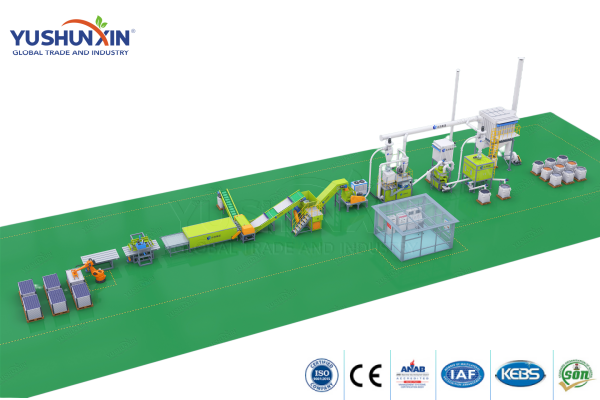
Which inputs does the model need?
The equipment price, the site works, the module purchase price and the value of each recovered fraction form the four inputs that dominate the result. A return model for a pv recycling solution also needs the annual operating hours and the gate fee, because those two values set the revenue per tonne. You source each input from a quotation or from a reference plant, and that discipline keeps the model credible. The working capital then closes the investment side.
How does the module supply change the return?
The plant needs a steady flow of modules, and that flow decides the utilisation of the line. A solar panel recycling plant return model tests a conservative utilisation, because a new plant rarely reaches full load in the first year. You secure a supply agreement before the order, and that agreement protects the assumption. The model then reflects the real market.
How does the product mix affect the result?
The glass, the aluminium, the copper and the silver concentrate form the four products that the plant sells, and each of them follows a local price. An roi analysis before signing a pv recycling contract tests a low price for each fraction, because that combination defines the weakest case. You value each stream with a real buyer, and that valuation replaces the assumption. The model then shows the margin that the plant can sustain.
How does the investor test the model?
A comparison with a reference plant of similar capacity gives a second opinion on the assumptions and the capital. You ask for the mass balance, the equipment list and the operating data from that plant, and the three documents show the items that the model omitted. The difference between the two results becomes a question for the supplier. The board then approves the project with a documented margin.
Conclusion for project investors and recycling companies
The return of a pv recycling solution follows the capital, the utilisation and the product prices, and a conservative model protects the decision. A pv recycling return advisors team that supplies the cost table, the mass balance and the sensitivity analysis helps the investor sign with confidence. The volume of end-of-life modules keeps rising, and a plant with a verified return attracts capital more easily. If your team needs a reference for the process configuration and the investment scope, you can learn more about https://solutionsforewaste.com/solar-panel-recycling-cost/ before the next investment review. The investor also keeps the reference plant visit on file, and that evidence answers the last technical question of the bank before the credit committee meets.