The lithium battery recycling plant total cost combines the capital recovery, the energy, the labour, the maintenance and the feedstock purchase, and a total cost of ownership view shows which item dominates over ten years. You, as a recycling company manager or as a project investor, examine the lithium battery recycling plant total cost against the revenue of the recovered material. The comparison then shows the margin that the plant can sustain.
Which items belong to the total cost?
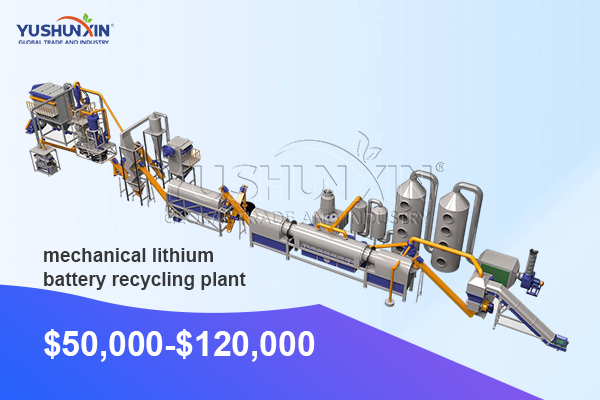
The shredding and separation line, the dust collection, the storage area and the laboratory form the capital block of the plant. A total operating cost of a battery recycling plant also includes the electricity, the labour, the blade replacement and the transport of the black mass, because those items repeat every month. You separate the capital from the recurring cost, and that separation shows the cash that the plant needs in the first year. The working capital closes the calculation.
How does the feedstock price change the result?
The price that the plant pays for each pack follows the market for used batteries, and that price rises when several recyclers compete for the same supply. A cost structure of a lithium battery plant therefore tests a high feedstock price, because that scenario defines the weakest margin. You sign a supply agreement before the order, and that agreement fixes the price for the first period. The model then reflects the real contract.
How does the recovery route affect the cost?
A mechanical route requires less capital and produces black mass for a refiner, while a combined route adds a hydrometallurgical section and recovers the metal on site. A hydrometallurgical operating cost analysis adds the reagents and the effluent treatment, and the comparison shows the extra cost against the extra recovery. You test both routes with the same battery supply. The owner then selects the route that fits the margin target.
How does the plant keep the total cost under control?
A monthly report with the cost per tonne, the energy per tonne and the downtime gives the manager a figure that is comparable across periods. You compare that figure with the annual budget, and the comparison shows the item that needs attention. The maintenance plan and the operator training keep the cost inside the plan. The plant then protects its margin during the year.
Conclusion for recycling companies and project investors
The total cost of a battery recycling plant follows the capital, the feedstock and the operating discipline, and a conservative model protects the decision. A battery plant cost advisors team that supplies the cost model, the supply contract review and the maintenance plan helps the owner protect the margin. The supply of spent batteries keeps growing, and a plant with a controlled cost serves that supply profitably. If your team needs a reference for the process route and the cost scope, you can learn more about https://www.sxlbp.com/products/lithium-battery-recycling-machine-cost/ before the next budget review. The same budget also supports the annual review with the lender, and that review keeps the debt service aligned with the real operating cost of the plant.