The solar panel thermal recycling roi model compares the capital of the plant with the value of the recovered glass, aluminium, copper and silver, and the result gives the investor a number to test. You, as a project investor or as a recycling company manager, build the solar panel thermal recycling roi model from measured module grades and local cost data. The net present value of the project then shows whether the investment beats the cost of capital.
Which revenue streams drive the ROI?
The silver concentrate carries the highest value for each tonne, and the glass, the aluminium and the copper contribute a stable second line. An roi of a solar panel thermal recycling process review also includes the gate fee that the operator charges for the modules, because that income covers part of the fixed cost. You value each stream with a local quotation, and that valuation keeps the model honest. The revenue line then contains four products.
Which cost items decide the return?
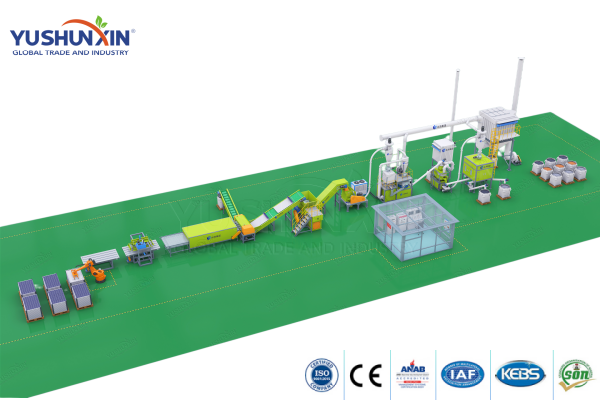
The thermal unit, the shredder, the separation deck and the effluent plant form the capital block, while the fuel, the electricity and the maintenance form the operating block. A thermal recycling line return model separates the two blocks, because a cheap unit with a high fuel demand loses the advantage after the first year. You measure the fuel per tonne during a trial, and that measurement replaces the catalogue value. The model then shows the cost per tonne of product.
How does the module supply change the result?
The plant needs a steady flow of modules, and that flow decides the utilisation of the line. An return analysis for thermal recycling tests a conservative utilisation, because a new plant rarely reaches full load in the first year. You secure a supply agreement before the order, and that agreement protects the assumption. The model then reflects the real market.
How does the investor test the model?
A conservative case with a low material price and a high fuel cost shows the weakest result, and that case defines the risk that the investor accepts. You compare the result with a reference plant, and the comparison reveals an optimistic assumption. The model also tests the interest rate, because a long loan changes the annual cash. The board then approves the project with a documented margin.
Conclusion for project investors and recycling companies
The ROI of a thermal recycling project follows the capital, the utilisation and the material price, and a conservative model protects the decision. A thermal recycling roi advisors team that supplies the mass balance, the cost data and the sensitivity analysis helps the investor present a case that the bank accepts. The volume of end-of-life modules keeps rising, and a plant with a verified return attracts capital more easily. If your team needs a reference for the line configuration and the return scope, you can learn more about https://www.spdsx.com/product/solar-panel-recycling-equipment-cost/ before the next investment review. The investor also compares the result with the previous project. That comparison sharpens the next model.