A solar panel recycling business investment rests on the tonnage of modules that the plant diverts from disposal, and thermal recycling technology removes the laminate that otherwise blocks the recovery of glass and metal. You, as a project investor or as a recycling company manager, examine the solar panel recycling business investment against the landfill fee that the region charges. The gap between the two figures defines the commercial space that the plant occupies.
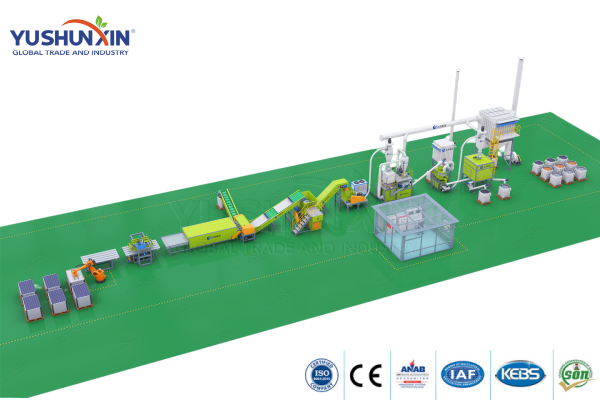
Which module fractions does thermal recycling remove from landfill?
The aluminium frame and the junction box leave the line first, and the thermal stage then separates the glass from the cell and the backsheet. A landfill diversion through solar panel thermal recycling review weighs each output, because a fraction without a buyer returns to the disposal route as residue. You compare the residue weight with the input weight, and that ratio is the practical measure of the diversion. The waste minimisation target of the region then becomes a number that the plant reports.
How does the thermal stage prepare the glass and the metal?
The controlled heating burns the polymer fraction and leaves a clean glass and a friable cell layer that the mechanical separation can process. A thermal recycling technology for pv waste design controls the temperature and the residence time, because an excess temperature fuses the glass and contaminates the batch. You verify the off-gas treatment with the permit, since the polymer fraction leaves as a gas that requires cleaning. The operating budget for a solar panel recycling plant then carries the fuel and the reagent of that treatment.
Which residues still need a disposal route?
The fine dust, the mixed fines and a small fraction of contaminated glass still require a disposal route even in a well designed plant. You quantify that fraction during the performance test, because an optimistic assumption understates the operating cost. The plant that sends less than ten percent of the input to residue earns a better gate fee and a stronger position with the municipality. The buyer of the recovered glass also influences the result, since a strict specification rejects part of the cullet.
How does an investor measure the landfill diversion?
A monthly report with the tonnage received, the tonnage sold and the tonnage disposed gives the diversion rate of the plant. You keep the weighbridge tickets and the sales notes in one file, because the auditor requests the same evidence as the authority. The rate then supports the environmental claim that the investor presents to the funding body. A plant that documents a high rate also negotiates a longer supply contract with the module collector.
Conclusion for project investors and recycling companies
Thermal recycling reduces landfill dependence when the process removes the laminate, recovers the glass and keeps the residue fraction small, and the measured diversion rate proves the result. A solar panel thermal recycling advisors team that supplies the mass balance, the off-gas design and the monitoring plan helps the investor build a case that the bank accepts. The volume of end-of-life modules keeps rising, and the region that builds capacity early avoids the disposal cost that grows later. If your team needs a reference for the process configuration and the investment scope, you can learn more about https://solutionsforewaste.com/pv-recycling-technology/ before the next investment review.