The cost of setting up a plastic-to-oil pyrolysis plant is not decided by one machine price alone. It depends on the full production plan: the type of waste plastic, daily processing capacity, equipment configuration, automation level, emission control, and supporting systems. For investors, the most practical approach is to evaluate the whole plant instead of comparing only the initial quotation of the pyrolysis reactor.
1. Plant Capacity Directly Affects the Investment
Capacity is one of the first factors influencing project cost. A small batch pyrolysis system, a semi-continuous line, and a fully continuous plastic pyrolysis plant require different equipment layouts, feeding methods, discharge systems, and control structures. Larger-capacity projects usually need stronger material handling, more stable condensation, and a more complete automation plan. Therefore, two plants that both convert plastic into oil may have very different investment levels. Understanding the financial returns per processing ton helps clarify the economic trade-offs between different capacity choices.
2. Raw Material Condition Changes the Process Design
Not all waste plastics enter the pyrolysis reactor in the same condition. Clean PE, PP, or PS scraps are easier to organize than mixed, bulky, or contaminated plastic waste. When the material requires shredding, drying, sorting, or additional pretreatment, the total plant configuration becomes more complex. These front-end systems can influence both equipment cost and the long-term stability of production.
3. Core Equipment Configuration Matters
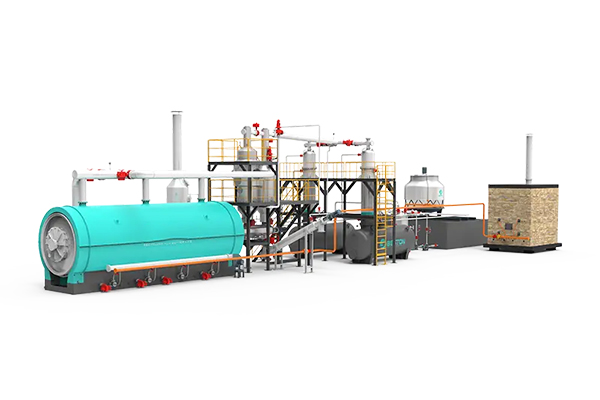
A complete plastic-to-oil pyrolysis line normally includes several key sections, such as the feeding system, pyrolysis reactor, condensing system, oil storage unit, combustible gas recycling system, discharging system, control cabinet, and dust or exhaust treatment equipment. Buyers should ask what is included in the quoted price. A quotation that covers only the reactor cannot be compared directly with a quotation for a full recycling line. The underlying thermal decomposition principles explain why each component plays a critical role in overall system performance.
4. Automation and Continuous Operation Raise the Technical Level
Automation affects labor demand, process consistency, and equipment coordination. A basic batch system may fit an entry-level project, while a continuous plastic pyrolysis plant is more suitable for customers pursuing higher daily throughput and more stable operation. Higher automation usually means more advanced feeding, temperature control, discharge, and monitoring systems, which changes the total investment structure. For businesses evaluating similar opportunities in other waste streams, exploring eco-friendly tire-to-fuel systems can provide useful comparisons on automation and configuration.
5. Environmental and Safety Systems Should Not Be Ignored
Plastic pyrolysis projects also need to consider gas treatment, dust collection, pressure control, sealed operation, and other safety-related designs. These systems may not look like the “main machine,” but they are important for cleaner operation and more reliable production. When reviewing plant cost, buyers should evaluate whether the proposal includes a reasonable environmental protection and safety configuration. A successful example is a North American waste plastic facility, which demonstrates how comprehensive system design supports both compliance and profitability.
How YUSHUNXIN Helps You Evaluate the Real Cost
As a manufacturer of pyrolysis recycling equipment, YUSHUNXIN recommends calculating the project cost according to your actual production target, plastic feedstock, workshop condition, and expected automation level. Instead of focusing only on the lowest machine price, customers should compare the complete process design, equipment scope, operating stability, and future expansion potential. A properly matched plastic-to-oil pyrolysis plant is more likely to deliver lasting value than an underconfigured system chosen only for a low initial quotation. Proper planning of site dimensions and layout ensures that all components are efficiently integrated for long-term operation. Visiting: https://www.greenindustrialsolutionsx.com/product/waste-plastic-pyrolysis-plant/
Leave a Reply