As the world becomes more dependent on smartphones, laptops, household appliances, batteries, and other electronic products, the amount of discarded electronics continues to grow rapidly. This surge in outdated and damaged devices has created a major environmental challenge—but it has also opened the door to a fast-growing business opportunity. If you are looking for a promising industry to enter in 2026, starting an e-waste recycling business with the right equipment could be a smart and profitable move.
Electronic waste, also known as e-waste, includes a wide range of discarded electrical and electronic items such as computers, circuit boards, televisions, printers, cables, mobile phones, and small household appliances. These materials often contain valuable metals like copper, aluminum, gold, silver, and palladium. With proper processing, these resources can be recovered and sold, turning waste into revenue while supporting environmental protection.
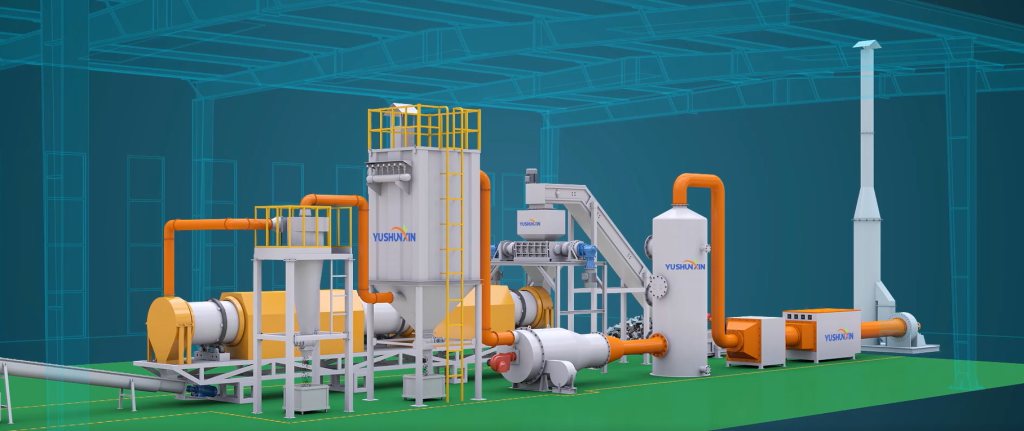
Why the E-Waste Recycling Industry Is Growing Fast
The global e-waste recycling market is expanding because electronic consumption continues to rise year after year. Consumers upgrade devices more frequently, businesses replace outdated equipment, and stricter environmental regulations are encouraging more responsible disposal methods. Instead of sending old electronics to landfills, many governments and companies now prefer professional recycling solutions.
This shift creates strong demand for recycling businesses that can safely process e-waste and recover valuable materials. In addition to metal recovery, e-waste recycling helps reduce pollution, lower mining demand, and prevent toxic substances from contaminating soil and water. As sustainability becomes a bigger priority across industries, the business potential of electronic waste recycling is becoming even more attractive.
What Materials Can Be Processed by E-Waste Recycling Equipment?
One of the key advantages of this business is the wide variety of materials that can be handled. Depending on the system you choose, modern e-waste recycling equipment can process:
Printed circuit boards
Waste wires and cables
Computers and laptops
Mobile phones
Home appliances
Power supplies
Chargers and adapters
Aluminum-plastic materials
Lithium battery components
Mixed electronic scrap
By separating and recovering metals, plastics, and other reusable materials, recycling businesses can create multiple streams of income from a single waste source.
Why Choosing the Right E-Waste Recycling Equipment Matters
The success of your recycling business depends heavily on the machine or system you invest in. High-quality e-waste recycling equipment improves processing efficiency, increases material recovery rates, and helps ensure safe operation.
When selecting equipment, here are several important factors to consider:
- Material Compatibility
Different recycling machines are designed for different types of electronic waste. Make sure the equipment matches the materials you plan to process most often. - Processing Capacity
Some businesses start with small-scale recycling, while others aim for industrial production. Choose equipment with a capacity that fits your market demand and investment plan. - Separation Efficiency
Advanced systems can separate copper, aluminum, plastic, and other materials more effectively. Better separation means higher product value and better profit margins. - Environmental Protection Features
Dust collection, air filtration, and pollution control systems are essential in e-waste recycling. Reliable equipment should help you comply with local environmental standards. - Automation and Maintenance
Machines with automated feeding, crushing, sorting, and discharge functions can reduce labor costs and improve operational safety. Easy maintenance is also important for long-term performance.
Main Products and Profit Opportunities
An e-waste recycling business can generate income from more than just one material. Depending on the type of equipment and feedstock, common profit sources include:
Recovered copper
Aluminum
Iron and steel
Precious metals from circuit boards
Recycled plastic materials
Battery-related recyclable materials
Processing services for third parties
This diversified income model makes e-waste recycling an appealing business for both new entrepreneurs and established recycling companies.
How to Start an E-Waste Recycling Business
Starting this type of business requires careful planning and a clear strategy. Here are a few basic steps to follow:
Study the Local Market
Research the volume of e-waste available in your area and identify potential buyers for recovered materials. Understand local regulations and collection systems before making an investment.
Secure a Stable Supply of Raw Materials
Build relationships with electronics repair shops, recycling centers, manufacturers, offices, schools, and municipal collection programs. A steady supply of e-waste is critical to long-term success.
Choose a Reliable Equipment Manufacturer
Work with an experienced supplier that can provide machine installation, technical support, operator training, and after-sales service. Good support can save you time and reduce risk.
Prepare the Site and Permits
Your facility should have enough space for material storage, processing, dust control, and finished product handling. Be sure to apply for the necessary environmental and business permits.
Build Sales Channels
Connect with metal traders, smelters, plastic recyclers, and industrial buyers who can purchase your recovered materials on a regular basis.
The e-waste recycling industry combines profitability with environmental responsibility. As electronic waste volumes continue to increase around the world, the need for efficient and professional recycling solutions will only become stronger. With the right electronic waste recycling equipment, a stable material supply, and a well-planned business strategy, you can build a recycling operation that delivers both financial returns and long-term sustainability value.
If you want to enter a growing industry with real future potential, now is an excellent time to start an e-waste recycling business with the right equipment.
Leave a Reply