As the global adoption of solar energy continues to rise, the need for effective recycling solutions for end-of-life solar panels has never been more urgent. Recycling 10,000 solar panels per day is a significant undertaking and involves various costs, including equipment, labor, and operational expenses. The cost to recycle such a high volume of panels depends on several key factors, such as the type of equipment used, labor costs, and the efficiency of the recycling process. At YUSHUNXIN, we provide high-quality solar panel recycling equipment designed to make large-scale solar recycling both feasible and cost-effective.
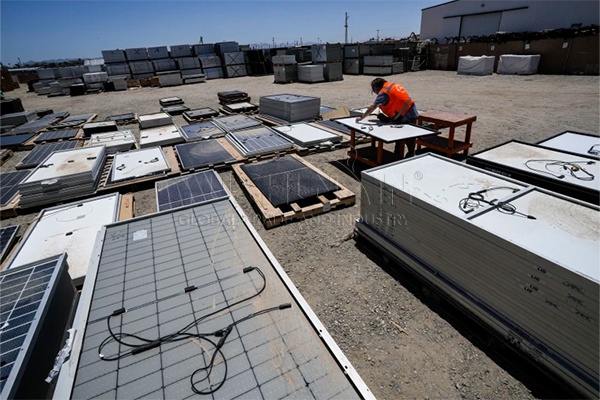
Key Factors Affecting the Cost
The overall cost of recycling 10,000 solar panels per day is influenced by several factors:
- Type of Recycling Equipment: The equipment required for disassembling and processing solar panels is one of the largest upfront costs. Advanced systems for frame removal, glass separation, crushing, and material sorting can range from tens of thousands to hundreds of thousands of dollars, depending on their capacity and automation level. Understanding the cost drivers for recycling equipment helps in accurate budget planning.
- Labor Costs: While automation helps minimize labor, skilled technicians are still needed to oversee operations and perform maintenance. Labor costs will depend on the local labor market, the level of automation, and the skill sets required for the operation. For facilities focused on reducing manual work, solar panel disassembly systems significantly lower labor requirements.
- Energy Consumption: Recycling processes require significant energy, particularly when dealing with large volumes of panels. The efficiency of the recycling equipment plays a role in minimizing energy use, making it an important cost consideration.
- Transportation and Logistics: Transporting solar panels to the recycling facility incurs costs, especially if panels are coming from various locations. Efficient logistics can help reduce transportation expenses.
Cost Breakdown of Recycling 10,000 Solar Panels Per Day
To recycle 10,000 solar panels per day, a facility would typically require a high-capacity recycling line. For example, a recycling line with a processing capacity of 1,000 panels per hour would need to run for 10 hours daily. The total cost would include:
- Equipment Investment: A high-capacity automated system could cost anywhere from $500,000 to $2 million, depending on the technology and processing capacity.
- Operational Costs: This would include labor, utilities, and maintenance. On average, a facility could expect to spend anywhere from $50,000 to $150,000 annually on operational costs.
- Material Recovery: The recovered materials—such as glass, aluminum, silicon, and copper—can generate revenue. The higher the recovery rate, the more value the recycling facility will recoup from selling these materials. Advanced techniques like recovering valuable metals from PV panel waste add significant value to the revenue stream.
Minimizing Costs with Efficient Equipment
At YUSHUNXIN, we specialize in providing cutting-edge solar panel recycling equipment that is designed to maximize efficiency and minimize operational costs. Our automated systems reduce the need for manual labor and optimize material recovery, enabling you to handle large volumes of solar panel waste without compromising on output quality. By investing in advanced, reliable, and efficient equipment, you can significantly lower the cost of recycling 10,000 solar panels per day, while increasing profitability through high-quality material recovery.
The Path to Long-Term Profitability
The cost of recycling 10,000 solar panels per day is high, but with the right equipment and efficient operations, it can also be a profitable venture. By leveraging high-performance machinery from YUSHUNXIN, you can optimize both the cost-effectiveness and environmental benefits of your recycling business. Not only will you contribute to sustainability by recycling valuable materials, but you will also position your business for long-term growth in the renewable energy sector. For a real-world example of large-scale operations, the Japanese solar panel recycling line demonstrates how high-volume recycling works in practice.
Leave a Reply