A waste plastic pyrolysis plant converts mixed or single-stream plastics into products such as pyrolysis oil, combustible gas, and char/residue. The total cost and payback period depend less on a single “price tag” and more on plant capacity, feedstock quality, environmental compliance, and how reliably you can sell the end products. When these factors are planned well, pyrolysis can shift from a risky investment to a bankable recycling-and-fuels project.
Typical Cost Ranges and What Drives Them
Small batch or semi-continuous systems (often 1–10 tons/day) are generally the lowest entry point, but costs rise quickly when you add automation, emission controls, and robust safety systems. Mid-size continuous lines (10–30 tons/day) cost more upfront but usually offer lower operating cost per ton and steadier product quality. Large industrial projects (30+ tons/day) require significant civil works, utilities, and permitting—often becoming a full EPC-style investment rather than a simple equipment purchase.
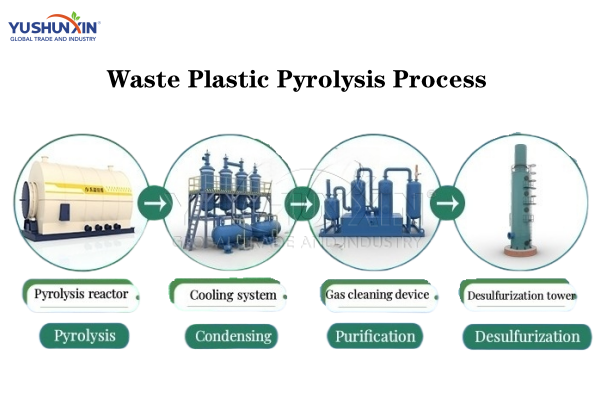
Major cost drivers include the reactor type (batch vs. continuous), pre-treatment equipment (shredding, washing, drying), condensation and fractionation systems, and environmental protection (scrubbers, flare systems, dust control, and wastewater handling). Installation, foundations, electrical works, cranes, and commissioning can add a sizable percentage beyond the equipment price. Finally, compliance costs—permits, emissions monitoring, fire protection, and insurance—can be decisive in regions with strict regulations.
Operating Costs You Must Model
Payback depends on your net margin per ton. Key operating costs include electricity, fuel for startup or auxiliary heating, catalyst/consumables (if used), labor, maintenance, and downtime. Feedstock economics are crucial: if you are paid a tipping fee to take waste plastic, margins improve dramatically; if you must buy sorted plastics, costs increase but product quality often improves. You should also account for disposal of non-plastic contaminants and residue, which can be overlooked in optimistic projections.
Revenue Streams and Product Sales
Revenue typically comes from pyrolysis oil sold to industrial boilers, refineries/blenders, or further upgrading units, plus recovered steel (if processing tire-derived feedstock) and sometimes char used as a low-grade carbon product. The non-condensable gas can offset fuel use, improving energy efficiency and lowering operating cost. Contracts matter: long-term off-take agreements reduce price volatility and make financing easier.
Payback Timelines in Practice
Many projects target payback in the 1.5–4 year range, but real outcomes vary. Faster payback is common when (1) feedstock is secured at low or negative cost, (2) the plant runs at high uptime, (3) oil quality meets buyer specs consistently, and (4) permitting and emissions controls are handled correctly from day one. Slower payback happens when feedstock is inconsistent, shutdowns are frequent, or product sales depend on spot markets. The most reliable way to estimate payback is to build a conservative model using real local prices, confirmed buyers, and realistic operating hours—not nameplate capacity. Visiting: https://www.solutionsforewaste.com/product/waste-plastic-pyrolysis-plant/
Leave a Reply