The surge in demand for lithium-ion batteries, driven by their use in electronic devices and electric vehicles, has brought attention to the need for effective recycling solutions. As these batteries reach the end of their lifecycle, recycling becomes crucial to recover valuable materials, minimize environmental impact, and address the growing demand for raw materials. The recycling of waste lithium batteries involves a series of complex processes, each requiring specialized machinery. Below, we explore the machinery integral to the efficient recycling of lithium batteries.
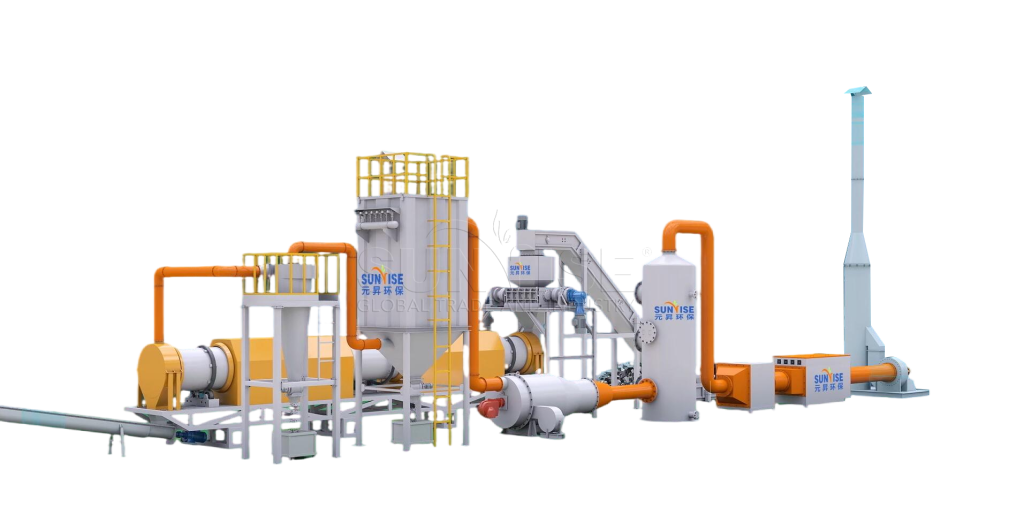
Collection and Safe Transportation
Collection Systems
The process of recycling waste lithium batteries begins with the collection of used batteries from various sources, including recycling centers, electronic waste drop-off points, and retailers. Efficient collection systems, equipped with safety features, are essential to handle and store these batteries safely. This step is critical to prevent any risk of fire or chemical leakage during transportation to recycling facilities.
Safety-Compliant Transport Vehicles
Transporting waste lithium batteries requires vehicles that comply with safety standards to prevent accidents. These vehicles are designed with features such as temperature control and secure containment to ensure the safe transfer of batteries to recycling plants. Properly equipped transport vehicles minimize risks associated with the volatile nature of lithium batteries.
Disassembly and Component Separation
Automated Disassembly Machines
Upon arrival at the recycling facility, batteries must be disassembled to separate their various components. Automated disassembly machines are designed to handle this task with precision, reducing the risk of exposure to hazardous materials. These machines are equipped with robotic arms and cutting tools that meticulously separate the battery casing from the internal components, preparing them for further processing.
Component Sorting Systems
Efficient sorting of battery components is critical to the recycling process. Component sorting systems use a combination of physical and chemical methods to distinguish between metals, plastics, and active materials. Techniques such as magnetic separation, flotation, and density-based sorting play a vital role in isolating valuable materials from waste.
Material Recovery and Refinement
Hydrometallurgical and Pyrometallurgical Equipment
The recovery of valuable metals such as lithium, cobalt, and nickel is a primary goal of battery recycling. Hydrometallurgical processes, involving the use of chemical solvents, are employed to selectively extract these metals. Specialized equipment like leaching tanks and precipitation reactors are integral to this process, enabling the recovery of high-purity metals.
Pyrometallurgical equipment, which employs high-temperature processing, is also used to recover metals. Furnaces and smelting units facilitate the thermal treatment of battery components, extracting metals in their pure form for reuse in new battery production.
Electrowinning Systems
Electrowinning systems provide an additional refinement step, particularly for metals like copper and nickel. Through an electrochemical process, these systems further purify metals extracted during earlier stages, ensuring they meet industry standards for reuse.
If you want to know the price of lithium battery recycling machine, we can provide you with the detailed quotation.
Waste Management and Environmental Considerations
Advanced Waste Treatment Systems
Not all materials from lithium batteries can be recycled, necessitating advanced waste treatment systems to manage byproducts. These systems treat residual waste, ensuring safe disposal or further recycling where possible. This step is crucial for reducing the environmental footprint of the recycling process and complying with environmental regulations.
Emission Control Technologies
Recycling facilities are equipped with emission control technologies to minimize the release of harmful substances during processing. Filtration systems and scrubbers play a key role in capturing volatile organic compounds and other emissions, safeguarding both the environment and human health.
Conclusion
Recycling waste lithium batteries is a multifaceted process that relies heavily on specialized machinery to efficiently recover valuable materials and minimize environmental impact. From disassembly and component separation to material recovery and waste management, each phase of the recycling process is critical. As the demand for lithium batteries continues to rise, the development and deployment of advanced recycling technologies will be essential in ensuring the sustainability of battery production and use. Visiting: https://www.solutionsforewaste.com/product/lithium-battery-recycling-plant/
Leave a Reply