Investing in a tire recycling plant with a capacity of 1–5 tons per hour represents a significant step into the circular economy. While potential investors often focus on the headline price of the machinery—which can range from $100,000 to over $500,000—the true cost encompasses a complex web of auxiliary equipment, site preparation, and operational expenses. Understanding this full financial picture is crucial for building a viable and profitable business model. You’re not just buying machines; you’re funding an integrated system to transform waste tires into saleable commodities like crumb rubber, steel, and textile fibers.
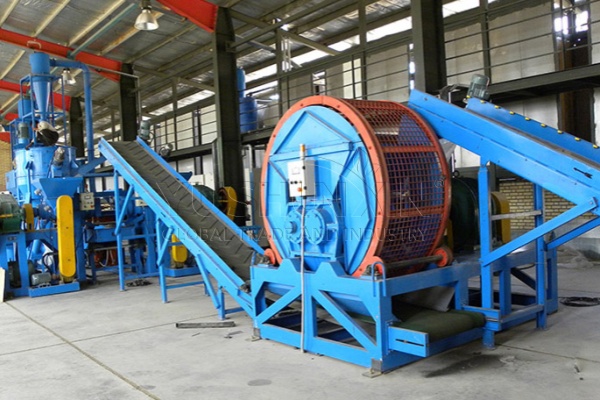
The Core Machinery Investment
The heart of your plant is the processing line, and its cost varies dramatically based on automation level and desired output products. A basic 1-ton-per-hour line, perhaps focused solely on producing tire chips, might occupy the lower end of the budget. However, a more comprehensive 5-ton system that includes primary shredders, granulators, fine mills, magnetic separators, and fiber removal systems will command a much higher price. Crucially, you are paying for throughput capacity, durability, and safety features. Industrial-grade equipment built to handle the punishing nature of steel-belted tires costs more upfront but minimizes costly downtime and maintenance.
Beyond the Machines: Site & Infrastructure Costs
The machinery price tag is just the beginning. What you really pay for includes the foundation upon which it operates. Significant additional capital is required for:
- Site Preparation: Reinforced concrete foundations, dust containment structures, and proper drainage.
- Material Handling: Conveyor systems, forklifts, and storage areas for both raw tires and finished products.
- Power Supply: High-voltage electrical connections to power energy-intensive shredders and grinders.
- Dust Collection & Air Filtration: Essential for environmental compliance and worker safety, this system alone can cost tens of thousands of dollars.
Operational & Hidden Expenses
Your ongoing costs define long-term profitability. Key operational expenses include:
- Labor: Skilled technicians for operation and maintenance.
- Energy: Shredding is power-hungry; utility costs will be a major recurring line item.
- Maintenance & Spare Parts: Budgeting for wear parts like shredder blades, screens, and bearing replacements is non-negotiable.
- Permitting & Compliance: Local environmental and operational permits can involve fees and ongoing reporting costs.
The Return on Investment (ROI) Perspective
Ultimately, “what you pay for” is the ability to generate revenue. A higher initial investment in an efficient, automated plant with superior separation technology yields a higher-quality end product. Pure, finely ground crumb rubber fetches a better market price than contaminated tire chips. Therefore, the most expensive component you’re funding is future revenue potential. A well-designed plant minimizes labor and downtime while maximizing output quality and consistency, directly accelerating your payback period.
In conclusion, the true price of a 1–5 TPH tire recycling plant is the total capital required to create a compliant, efficient, and operational facility. A meticulous feasibility study that accounts for all auxiliary, infrastructural, and operational costs is far more valuable than comparing isolated equipment quotes. Strategic investors pay for a sustainable system, not just a collection of machines. Visiting: https://www.solutionsforewaste.com/product/waste-tyre-recycling-plant-costs/
Leave a Reply